
Avian Influenza (H5N1, Bird Flu) Resources for Chicago, Chicagoland, and Illinois Growers

FOR IMMEDIATE RELEASE
Contact 海角社区:
water@auachicago.org
Avian influenza A(H5N1), known as H5N1 and commonly as bird flu, is a influenza A viral disease that is increasingly infecting wild animals, pets, and farmed animals including poultry (chickens, ducks, geese, turkey, etc.), dairy cows, cats and other farmed and domesticated animals. The virus is highly contagious, and can be transmitted from wild birds (shorebirds and waterfowl are thought to be the most likely transmitters) to farmed animals, and from animals to humans. As of early 2025, there have been 67 confirmed human cases in the U.S. and 1 confirmed death attributed to the disease.
Since 2022, there have been over 1500 confirmed outbreaks in poultry and an additional 957 outbreaks in dairy cows across the United States. In Illinois, 11 outbreaks have been confirmed in the same period鈥�9 cases of which have occurred in counties north of Springfield. Three have occurred in Chicagoland counties.
Since late January, on the shores of Lake Michigan, with the largest concentrations being at North Avenue Beach and Oak Street Beach.
On January 22, 2025, Centers for Disease Control (CDC) confirmed an outbreak in Cook County. The entire flock of hens at Kakadoodle farm, a family-owned organic farm that pasture-raises their flocks, in Matteson, IL was lost due to an outbreak of the disease. .
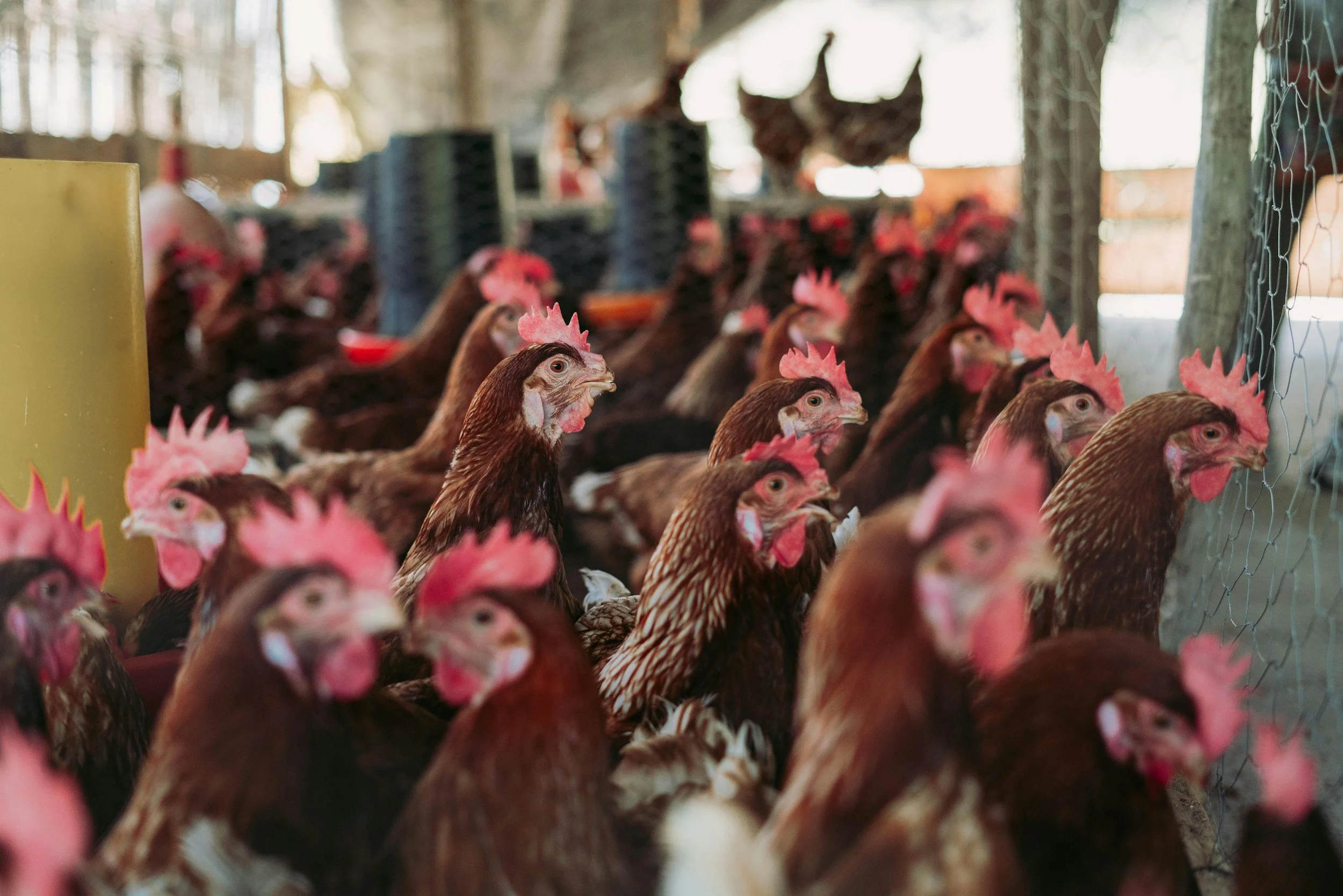
SPREAD AND SYMPTOMS
Highly pathogenic viruses present the most danger, but low pathogenic viruses still present significant public health concerns.
From the USDA Animal and Plant Health Inspection Service (APHIS):
鈥淎vian influenza spreads quickly by direct, bird-to-bird contact. It can also spread indirectly, such as when birds come into contact with contaminated surfaces or materials. 鈥� Avian influenza viruses can be moved on manure; on egg flats, crates, or other farming materials and equipment and even by people who may have inadvertently picked up the virus on their clothing, shoes, or hands.鈥�
鈥淗ighly pathogenic avian influenza (HPAI) A(H5) viruses have been detected in U.S. wild aquatic birds, commercial poultry and backyard or hobbyist flocks beginning in January 2022. These are the first detections of HPAI A(H5) viruses in the U.S. since 2016.鈥�
Symptoms in poultry include:
Sudden death
Low energy, low appetite
Purple discoloration on the wattles, combs and legs
Swelling of the eyelids, comb, wattles, and shanks
Reduced egg production, misshapen eggs
Nasal discharge, coughing, or sneezing
Difficulty breathing
Lack of coordination
Diarrhea
And nervous system symptoms including: tremors, twisted necks, paralyzed wings, stumbling and pedaling
In humans, symptoms include:
Pink eye (conjunctivitis)
Fever
Fatigue
Cough
Muscle aches
Sore throat
Nausea and vomiting
Diarrhea
Stuffy or runny nose
Shortness of breath (dyspnea)
Low pathogenic avian influenza viruses cause either no signs of disease or mild disease in poultry. However, asymptomatic birds can still infect others, and, in some cases, low pathogenic viruses can mutate into more dangerous viruses.
PREVENTION

PPE recommended by the CDC.
The virus can be spread through contact with feces, mucous, or saliva of infected birds. It can survive in a wide range of temperatures and moisture conditions, making it possible to survive on farm equipment and workers鈥� clothing like gloves and boots.
Those whose flocks interact with wild birds (pasture-raised flocks for example) are at the greatest risk.
Follow to track outbreaks in commercial and backyard flocks.
To prevent exposure and spread of the disease, please employ :
Wash your hands before and after contact with poultry or wild birds.
Always wear PPE (N95 face mask, goggle, disposable gloves, boot covers, and coveralls) when working with farmed animals of any species.
Wear designated clothing when working with farmed animals, and do not wear it outside enclosures.
Clothing worn when working with animals should not be worn in living areas.
If you raise multiple animals, have handlers work withworkers handle only one species.
Separate exposed and symptomatic animals.
Limit handling of dead birds.
If you need to remove a wild bird or birds, follow the for PPE and conduct.
If your domesticated bird dies, call the Northern Illinois USDA APHIS Vets for testing to determine if the cause was bird flu.
If your domesticated bird appears sick, call the Northern Illinois USDA APHIS Vets for testing to determine if the cause is bird flu.
Limit visitors to your animals.
Prevent wild birds from entering enclosures of domesticated animals whenever possible.
Cover waterers
Cover feed and clean up spills.
Disinfect surfaces, hands, clothing, egg trays, crates, vehicles, tires, and any equipment before and after entering a poultry area.
Buy birds from a reputable source.
In case of an outbreak:
Cease all operations and report your concern to the agencies listed below.
Segregate sick animals from all other animals.
Follow traceability procedures to identify spread.
If you raise farmed animals and you are experiencing symptoms, tell your healthcare provider so they can correctly assess you for zoonotic diseases.
REPORTING AND RESOURCES
Report sick or dead poultry to:
Northern Illinois USDA APHIS Veterinarians
217-685-3879
217-547-6030
217-782-4944
1-866-536-7593
Report sick or dead wild birds to:
1-866-487-3297
Chicago, Chicagoland, Illinois Departments of Public Health:
(312) 747-9884
Chicago Office: (312) 814-2793, (312) 814-5278
Springfield Office: (217) 782-4977
Communicable Diseases program at (217) 782-2016
Additional Resources:
National Young Farmers is seeking input from growers on addressing bird flu
You can complete the survey here:
The survey takes approximately 5-15 minutes to complete.
If you have any questions about the survey, please reach out to Elston at

